


Outdoor activities, such as camping and hiking, often take us to pristine natural environments where rivers and lakes offer a refreshing respite. However, the allure of these water bodies can sometimes overshadow the potential risks they pose when consumed directly. In this blog post, we'll explore the primary threats associated with drinking untreated river and lake water during outdoor adventures, and provide recommendations for safe water collection using water purifiers and portable water filters.
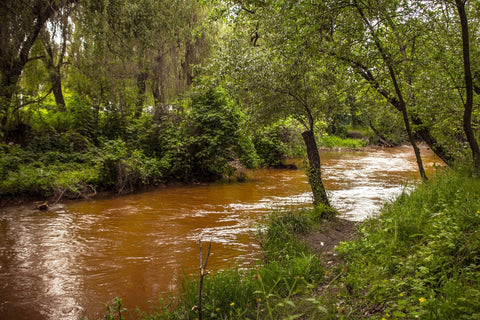
The Risks:
-
Contamination: One of the most significant threats of drinking untreated river or lake water during camping or hiking trips is contamination. These water bodies are susceptible to pollutants from various sources such as industrial runoff, agricultural activities, and human waste. Contaminants like bacteria, parasites, and chemicals can cause gastrointestinal illnesses, infections, and other health problems.
-
Pathogens: Rivers and lakes encountered during outdoor excursions can harbor a variety of pathogens, including bacteria like E. coli, viruses, and parasites like Giardia and Cryptosporidium. Ingesting water contaminated with these pathogens can lead to severe gastrointestinal issues, fever, and in some cases, long-term health complications.
-
Chemical Hazards: In addition to biological contaminants, untreated river and lake water may contain harmful chemicals such as pesticides, heavy metals, and toxins from algae blooms. Prolonged exposure to these substances through drinking water can have adverse effects on human health, including neurological disorders, reproductive issues, and cancer.
Recommendations for Water Collection:
-
Choose Flowing Water Sources: When camping or hiking and collecting water for drinking, prioritize sources with flowing water such as streams or fast-moving rivers. Flowing water is less likely to stagnate, reducing the risk of bacterial growth and contamination.
-
Use Natural Filtration: Whenever possible, allow collected water to undergo natural filtration processes. Passing water through layers of soil, sand, and gravel can help remove sediment, debris, and some contaminants, improving its quality.
-
Boil or Purify: To eliminate harmful bacteria, viruses, and parasites encountered during outdoor activities, it's crucial to either boil water or use effective purification methods such as water purifiers, portable water filters, or water filter straws. Boiling water for at least one minute or using portable water filters and purifiers can significantly reduce the risk of waterborne illnesses.
-
Carry Sufficient Supplies: To avoid the need for drinking untreated water altogether during camping or hiking trips, always carry an adequate supply of potable water or invest in portable water filtration systems like water purifiers and portable water filters.


